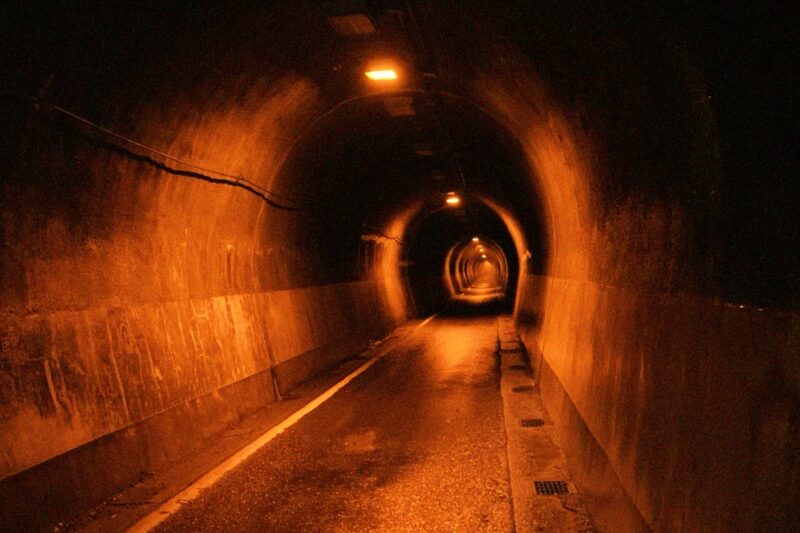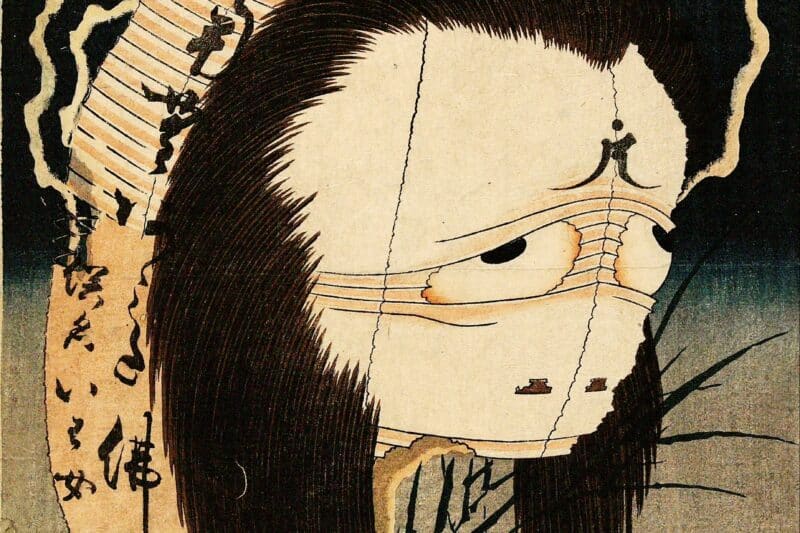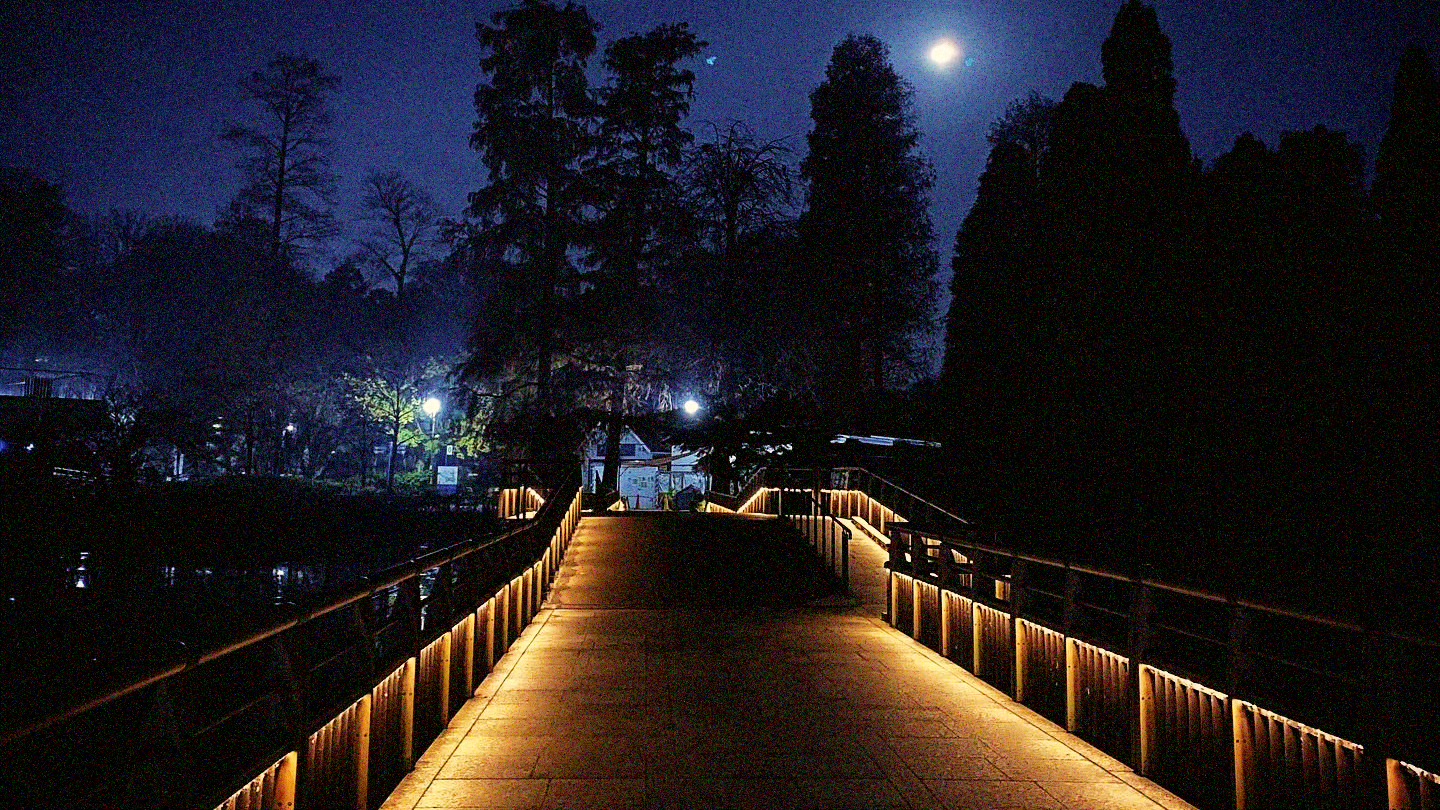
Inokashira Park is my favorite park in all of Tokyo. It sits next to Kichijoji, one of Tokyo’s most desirable neighborhoods, lively, well-lit, and full of good restaurants, with the Ghibli Museum a short walk away. During the day, families gather around the lake, light filters through the trees, and the city’s usual pressure lifts. After dark, the lake takes on a different quality. Something shifts in a way that is difficult to account for, easy to dismiss, and hard to forget once you’ve felt it.
The Goddess in the Lake
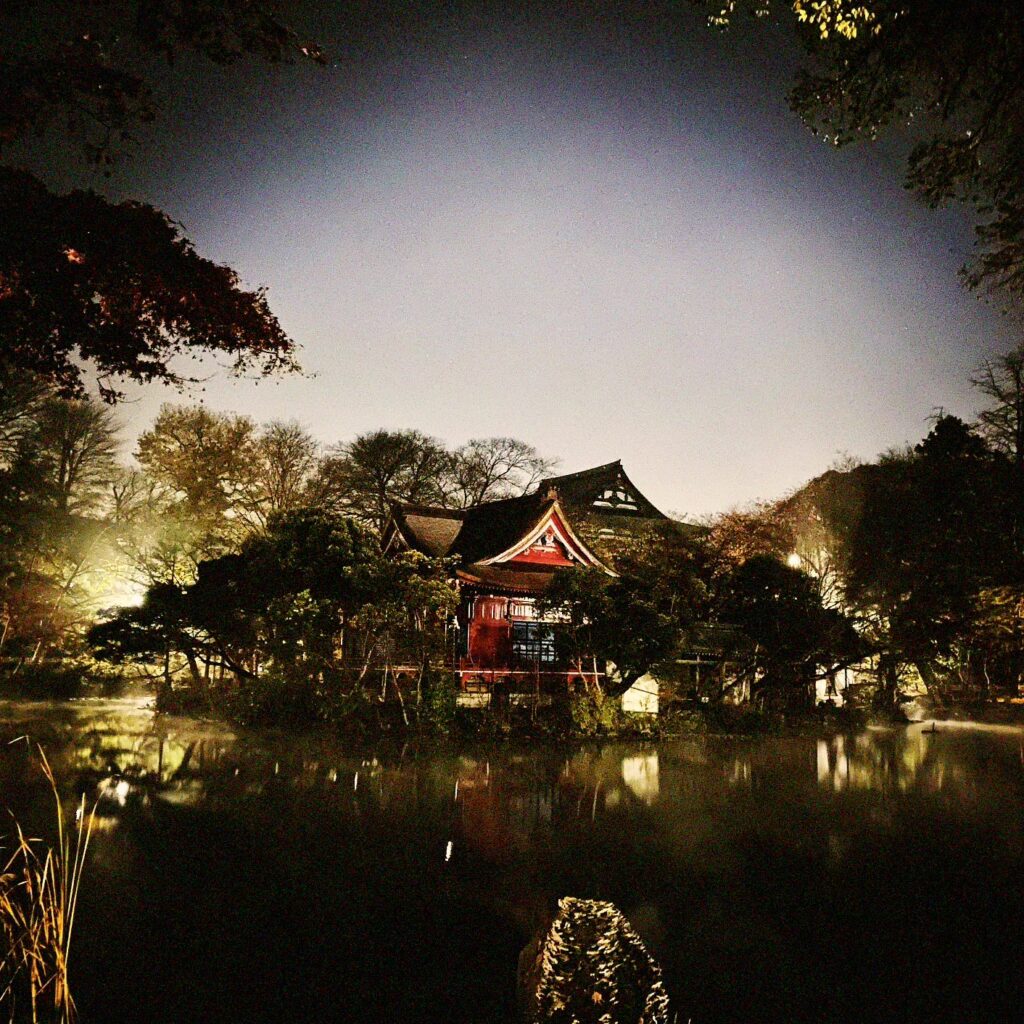
Overlooking the lake is Inokashira Benzaiten, a Buddhist temple unusually rich in snake imagery, with coiled forms carved into stone and wood throughout the grounds. Snake iconography is rare in Japan, and it carries particular weight for visitors from a Christian background, given the snake’s historical representation in that tradition. Whatever you bring to it, the abundance is deliberate, and the symbolism is not decorative.
To the left of the main hall stands a stone statue of Ugajin, a figure with a human head and a snake’s body, revered as a deity of agriculture, harvest, and fertility. According to local legend, an elderly couple’s daughter was born with three scales on her neck. At sixteen, she leaped into the pond and transformed into a white snake. In their grief, her parents carved the Ugajin statue to console her spirit. The three scales from the girl’s neck appear to this day on the temple’s lanterns and banners, rendered as three triangles.
Benzaiten is one of the Seven Lucky Gods and the only female among them: a deity of water, music, eloquence, and time. In her most complete form at Inokashira, she is eight-armed, with Ugajin atop her head, his serpent body coiled around her crown. The two are fused here into a single composite deity: Uga Benzaiten. She is also, by reputation, profoundly jealous. The statue within the shrine is a hibutsu, a hidden Buddha, kept from public view and revealed only once every twelve years during the Year of the Snake. The last viewing was in 2025. Whether you are able to see her depends on when you visit and on her decision.
The legend surrounding the park’s famous swan boats stems from this. Couples who ride them together are said to invite her wrath. Benzaiten, displeased by romantic happiness in her domain, will curse the relationship. Many people know this. Many couples ride anyway, which is either bravery or proof that a swan boat on a sunny afternoon is hard to resist.
I have never ridden the boats. I am happily married.
Hanako
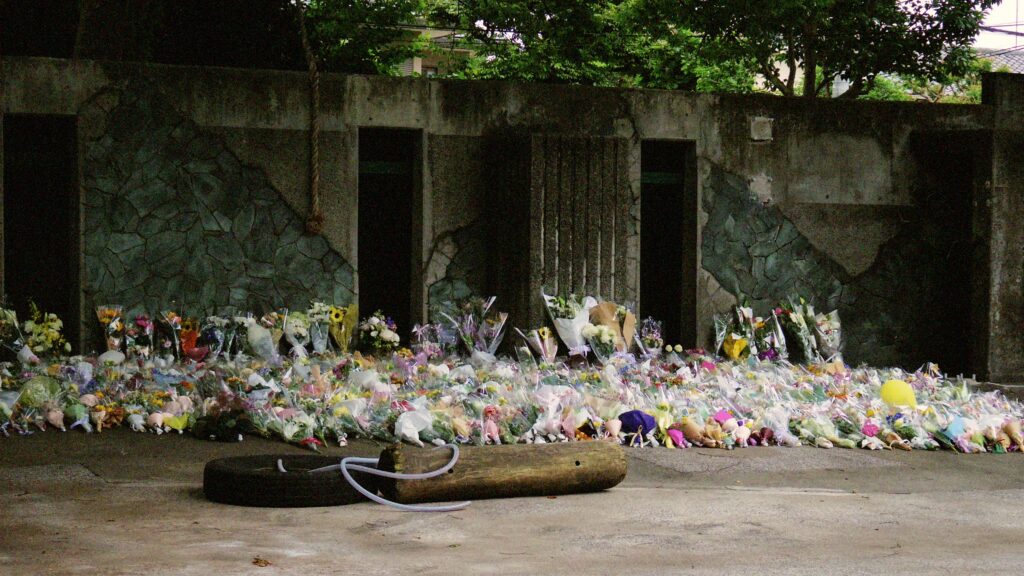
There is a zoo at the western edge of the park. Among its prized attractions are squirrels. Coming from America, where squirrels are no longer considered wildlife, I find the Japanese enthusiasm for them genuinely funny until I catch myself and remember that we take small things for granted.
The zoo holds something else, a space dedicated to an elephant named Hanako.
Hanako arrived in Japan in 1949, the first elephant imported into the country after the war. She was two years old, a gift from Thailand to a nation still rebuilding. Children lined the streets to watch her be transferred from the port to Ueno Zoo. Japanese schoolchildren chose her name, Hanako, in a national contest, honoring a former zoo elephant killed during World War II.
In 1956, a drunk man entered her enclosure at night. Hanako killed him. Two years later, she accidentally killed a keeper. Zoo visitors began calling her a killer elephant. They threw rocks at her. The rocks left marks. The marks caused damage that went deeper than the surface, including behavioral changes, withdrawal, and the particular deterioration that comes from fear met with fear. A handler named Yamakawa Seizō was brought in to care for her. He spent six years nursing her back to some semblance of health, then stayed as her keeper until his retirement in 1991. Their story was made into a book.
For most of her life, Hanako lived alone in a concrete enclosure at Inokashira Park Zoo. No other elephants. No greenery. In 2015, a Canadian activist’s blog post about her conditions went viral. Over 400,000 people signed a petition urging the zoo to transfer her to a sanctuary in Thailand. The zoo consulted experts. The experts concluded she was too old to be moved safely and too old to adapt to other elephants. They improved her enclosure and gave her toys.
Hanako died on May 26, 2016, at age sixty-eight. She was the oldest elephant in Japan. More than a thousand people attended her memorial ceremony. The city of Musashino erected a statue in her honor in 2017.
I walked in expecting to see a living elephant. What I found was a memorial. Its solemnity stopped me before I understood why. I have not forgotten it.
April 1994
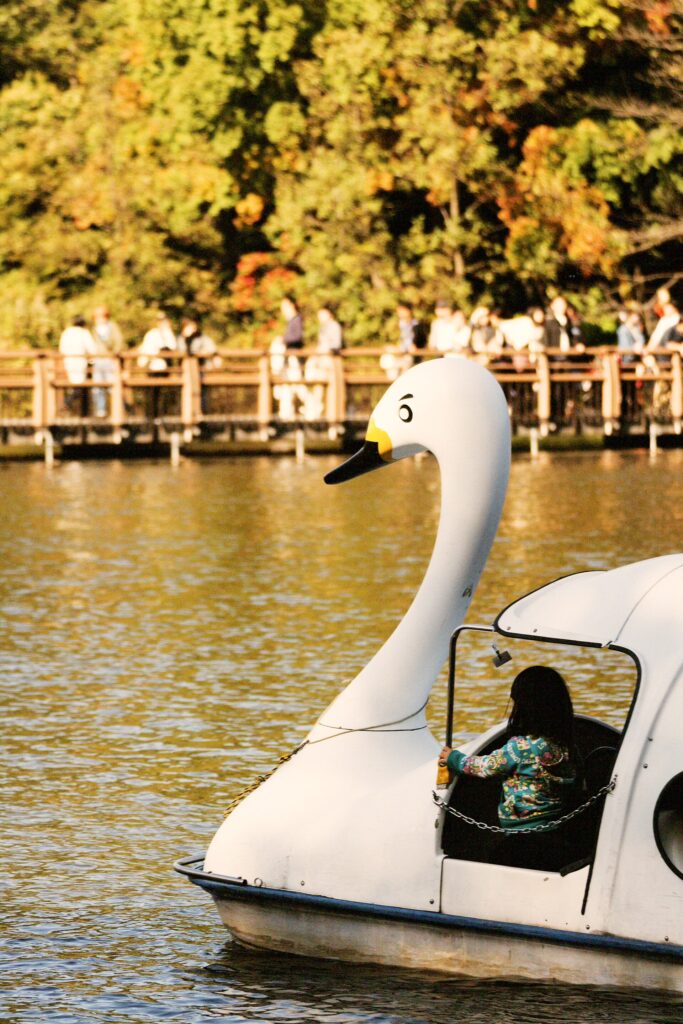
In April 1994, more than twenty packages containing human remains were found floating in the pond.
The dismemberment was carried out with surgical precision, clean cuts, and no blood at the scene. A national media frenzy followed. The victim was eventually identified as Seiichi Kawamura, a 35-year-old architect who lived near the park. The remains had been completely drained of blood before packaging. One witness reported seeing two men assault Kawamura near his home the night before the discovery. No forensic evidence was recovered. Reports described Kawamura as a member of an unidentified religious organization. The killer has never been found. The case remains unsolved.
There is nothing at the park that marks any of this. Families still gather. The boats still glide across the water. The surface of the place holds no record of what lies beneath.
IARP

Just outside the park perimeter sits a gated complex: the International Academy of Religion and Psychology. Motoyama Hiroshi, a Shinto priest and PhD parapsychologist, founded it. He built a machine to scientifically measure the flow of psychic energy through the body’s meridians, held an affiliation with a graduate school in California, and died in 2015. The institution continues under new leadership.
Every time I rode past it at night, the feeling was the same. A gated compound in the dark, with no lights visible inside, no movement, no sound, and the distinct sense of being watched by something I could not locate. Nobody in sight. The feeling persisted anyway. The kind of place that seems to know you are there before you even stop to look at it.
The Shrine on the Perimeter
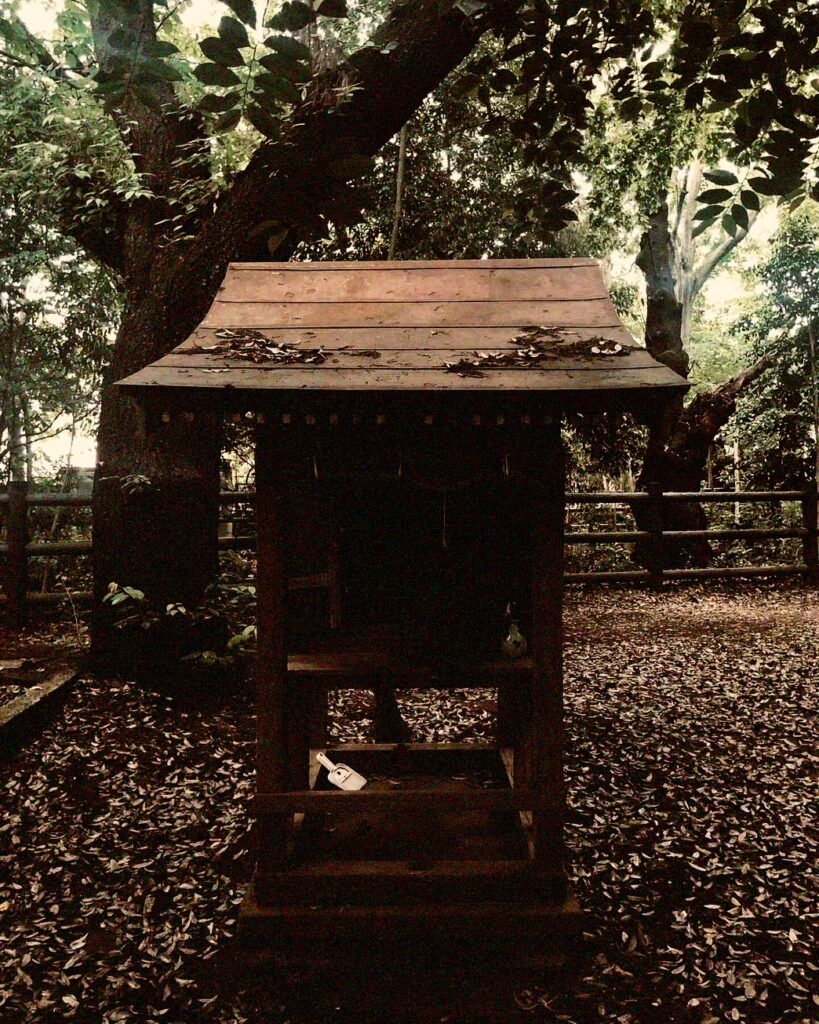
One night, walking the outer edge of the park, I came across a small shrine tucked against the perimeter, a modest wooden structure with an offering box. No lights, except for the lightpost over yonder. No one else was around. I hadn’t planned to find it. It was simply there, hidden in the trees, with no sign, no explanation.
A small, unremarked shrine at the edge of a park, with a jealous deity in the lake, an unsolved dismemberment in its history, a parapsychology institute at its gate, and a road where something walks at midnight. The park has a way of accumulating.
The Woman on the Road
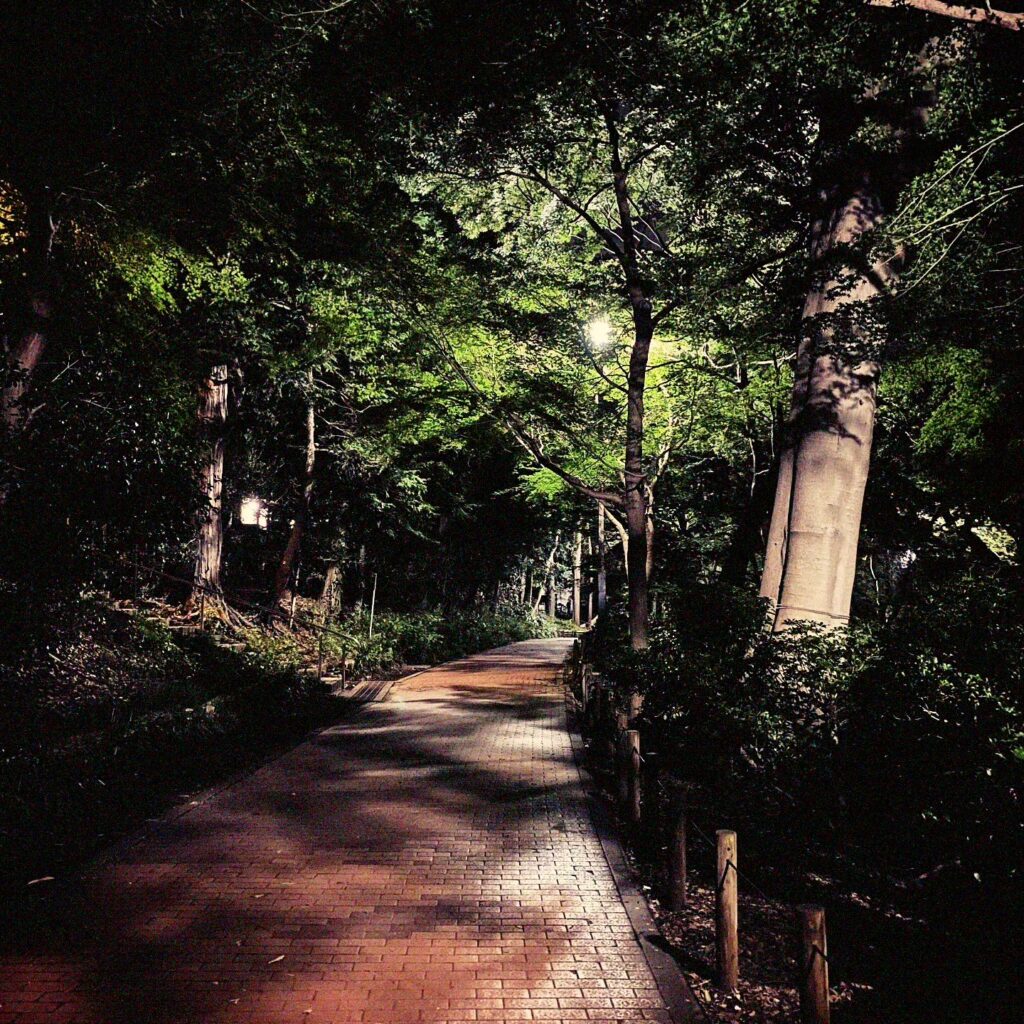
I want to be careful about how I tell this. Nothing in it is verifiable, and I am aware of how it sounds.
This happened after a full day of walking the demon gate, shrine after shrine, throughout old Edo. That day is its own story. By the time I was riding home past Inokashira after visiting a friend, the hours spent within those grounds were still with me.
The park’s outer perimeter, quiet residential streets running alongside the trees, always made me uneasy at night. I put it down to the hour. It was past midnight. While cycling, I rounded the far corner and saw a woman walking alone.
She was old, hunched at ninety degrees. She wore a purple, tattered kimono. It was summer, hot and humid, with cicadas filling the air. No festival nearby that night. She carried no bags. Her hair was long and filthy, hanging loose, falling forward so that nothing of her face was visible. The kimono looked as if it had arrived from a different era and had forgotten to leave.
The road forked ahead. I needed to pass her to get home. My instinct, not fear exactly, but something more like a command from somewhere I couldn’t locate, said don’t.
I turned the wrong way and rode half a block before I stopped.
The goose pimples came before the thought did. I turned to look back.
She was gone. The street was empty in both directions. No doorway she could have slipped into. No side road she could have turned down in the seconds since I’d looked away. Gone.
I went twenty minutes out of my way home, taking streets I didn’t know, not entirely sure I was being rational. My wife was already in bed when I got back. I told her the story, expecting her to laugh.
She didn’t laugh. She said, quietly: “Yeah, I think you saw something. Let’s not talk about it.”
Something told me not to turn all the way around when she vanished. Maybe it was imagination. But I swear, just at the edge of hearing, there was a sound like cackling.
We never talked about it again.
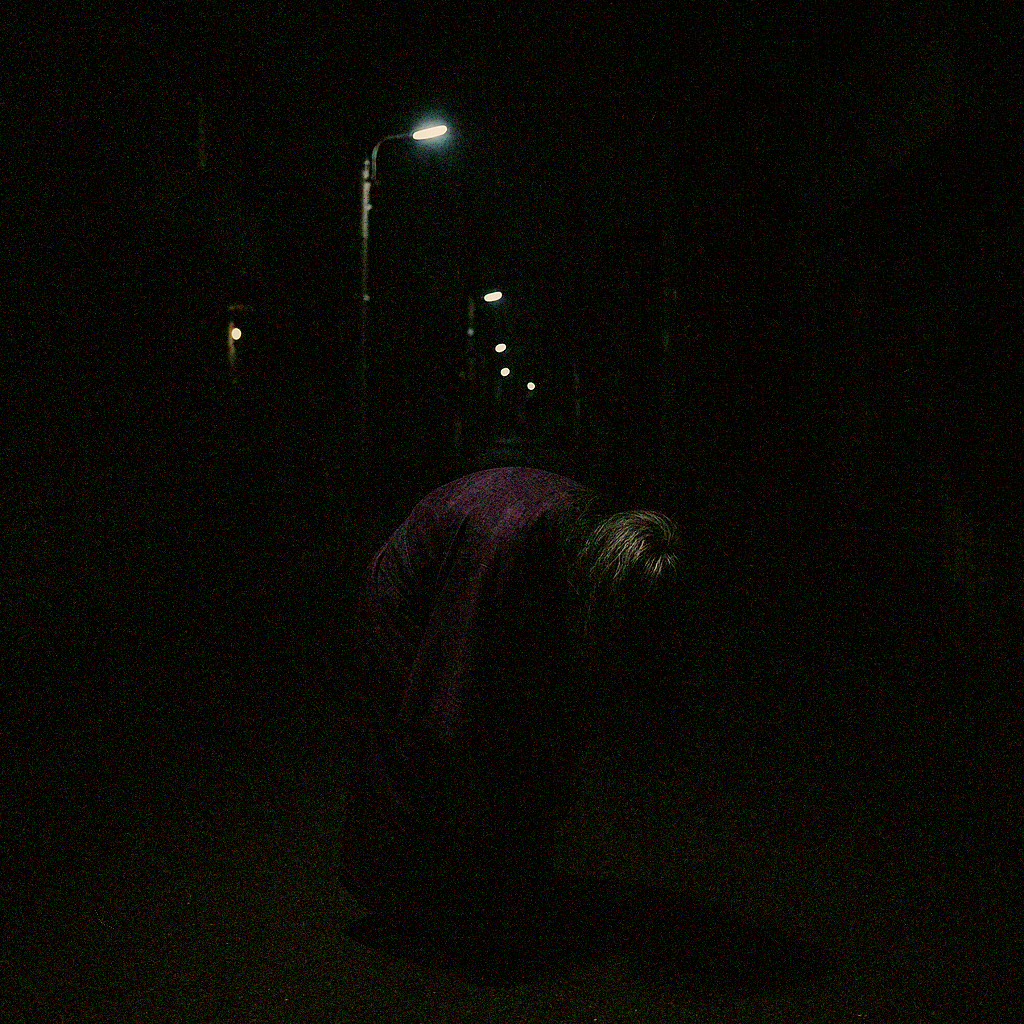
I hate to use an AI image, but after the encounter, I used a generator to reconstruct what I saw that night. The accuracy of the result is unsettling in its own right.
Getting There
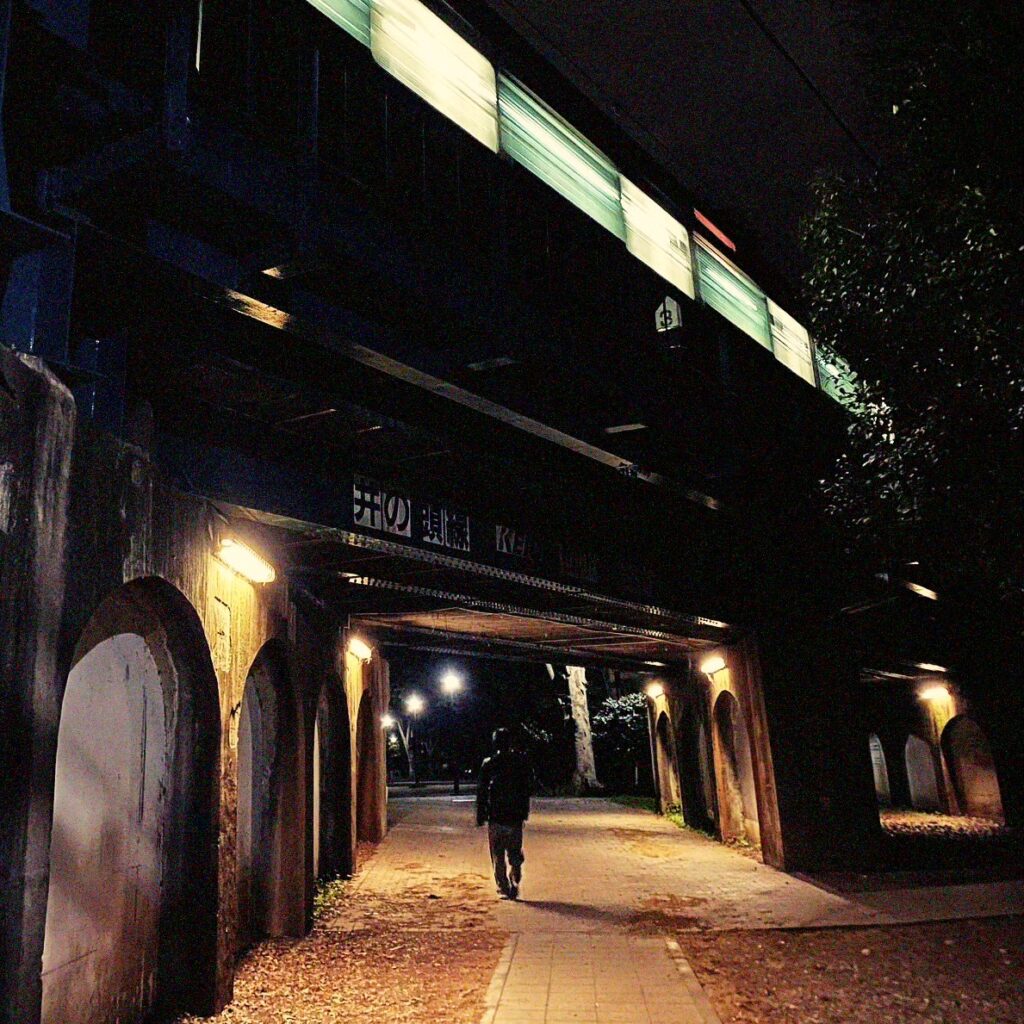
Inokashira Park is in Musashino-shi, on the western edge of Tokyo. The nearest stations are Kichijoji on the JR Chuo Line and Inokashirakoen on the Keio Inokashira Line, both a short walk from the park’s main entrance. The Benzaiten shrine sits at the lake’s northern end. The zoo and Hanako’s memorial are to the west.
The swan boats run during daylight hours. Whether you ride them is entirely your decision.
A note before you go, this site would not exist without Jon DeHart, author of two Moon Travel Guides on Japan, a once Tokyo-based journalist, and the person who showed me how it’s done and got me started. Here’s to many more years and whatever comes next on your adventure.